

Why Are My Eyes Burning Every Fall in Midlothian? (It Might Not Just Be Ragweed)
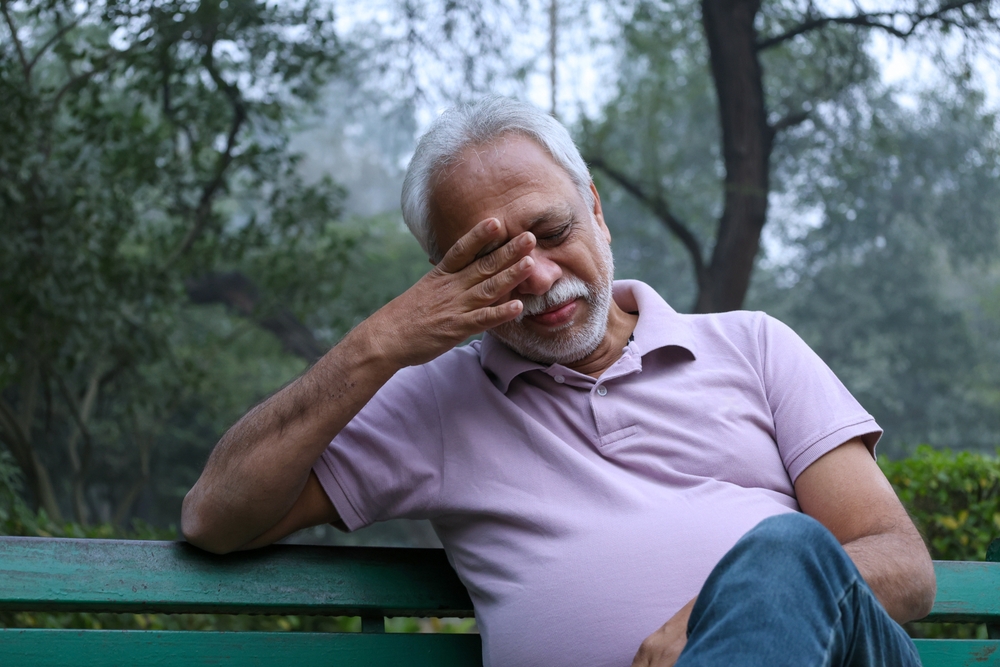
As fall arrives in Midlothian, TX, you may notice your eyes becoming irritated, watery, or unusually sensitive. While ragweed allergies are a common explanation, they aren't always the only cause. Seasonal changes in temperature, humidity, and air quality can also contribute to burning eyes. At Midlothian Eye Care, we help patients identify what's causing their discomfort and find appropriate treatment.
Fall Allergies Aren't Always the Only Cause
Ragweed pollen is a common fall allergen in Texas, often causing itchy, red, and watery eyes. However, burning sensations can also develop from environmental irritants or underlying dry eye disease.
During the fall, increased exposure to wind, airborne dust, and indoor heating can affect the tear film that protects your eyes. When this protective layer becomes unstable, your eyes may feel dry, gritty, or irritated.
Understanding whether your symptoms come from allergies, dry eye, or both is important for choosing the right treatment.
Why Dry Eye Symptoms Can Get Worse in the Fall
Dry eye disease occurs when your eyes don't produce enough tears or when tears evaporate too quickly. Seasonal environmental changes can make these problems more noticeable.
Several fall-related factors can contribute to burning eyes in Midlothian:
Cooler, Windy Weather: Increased airflow can accelerate tear evaporation, leaving your eyes feeling dry and irritated.
Indoor Heating: Heated indoor air can reduce humidity and contribute to tear film instability.
Airborne Allergens: Ragweed, mold spores, and other seasonal allergens can trigger inflammation and worsen existing dryness.
Increased Screen Time: Spending more time indoors using digital devices may reduce complete blinking and increase tear evaporation.
Contact Lens Irritation: Seasonal dryness and allergens can make contact lenses feel less comfortable than usual.
These factors may overlap, making it difficult to identify the exact cause without a comprehensive eye evaluation.
How to Tell the Difference Between Eye Allergies and Dry Eye
Although allergies and dry eye share similar symptoms, certain differences can help identify the underlying problem.
Eye allergies typically cause significant itching, redness, and excessive watering. You may also experience sneezing, nasal congestion, or other seasonal allergy symptoms.
Dry eye disease more commonly causes burning, stinging, a gritty sensation, fluctuating vision, or discomfort that worsens throughout the day. Interestingly, dry eyes can also produce excessive watering as a response to irritation.
Some patients experience both conditions simultaneously. At our Midlothian practice, we evaluate your symptoms and eye health to determine which factors may be contributing to your discomfort.
How Can You Relieve Burning Eyes During Fall?
If your eyes become irritated every fall, a few adjustments may help improve comfort. Using preservative-free artificial tears, avoiding direct airflow from heating vents, and taking regular screen breaks can help support a healthier tear film.
Cool compresses may also provide temporary relief from allergy-related itching and irritation. However, not all over-the-counter eye drops are appropriate for every condition, and some allergy medications can worsen dryness.
For persistent symptoms, we offer dry eye evaluations and treatment recommendations based on your individual needs. If you experience significant eye pain, pronounced redness, or sudden vision changes, seek prompt medical attention rather than assuming seasonal allergies are responsible.
If you're experiencing recurring burning eyes, contact Midlothian Eye Care in Midlothian, TX, at (469) 296-8967 to schedule an eye exam and learn how we can help improve your comfort.

All Eye
Care Services

Keep
In Touch
MAP
Powered by: 
